Why SGS-Audited SA8000 Certification Matters in Art Supply Manufacturing
In today’s global art supply market, top-tier retailers and brand owners look beyond product specifications like GSM, paper grain, and binding craft. Modern consumers and compliance teams demand complete supply chain transparency—specifically regarding human rights, working conditions, and ethical manufacturing.
For OEM/ODM brand partners, sourcing from a manufacturer with an SGS-audited SA8000 certification is no longer just a “nice-to-have” corporate responsibility badge. It is a critical safeguard against supply chain disruption, compliance penalties, and brand reputational risk.
What is SA8000 Certification?
Developed by Social Accountability International (SAI), SA8000 is the world’s leading social certification standard for factories and organizations. Audited by independent third-party institutions like SGS, it sets rigorous requirements across eight key areas of workplace ethics:
-
Child Labor & Forced Labor Prohibition: Ensuring zero exposure to child labor or illegal employment constraints.
-
Health & Safety: Maintaining strict workplace environmental safety, ergonomic setups, and emergency protocols in paper conversion and chemical handling zones.
-
Freedom of Association & Collective Bargaining: Respecting workers’ rights to representation.
-
Non-Discrimination & Fair Treatment: Guaranteeing equal opportunities regardless of race, gender, or background.
-
Disciplinary Practices & Working Hours: Eliminating forced overtime and enforcing fair, legal work schedules.
-
Remuneration: Providing living wages that meet or exceed industry and local statutory benchmarks.
How SGS Verification Protects Your Brand’s Supply Chain
Working with an unverified factory exposes international brands to severe compliance bottlenecks during European and North American customs clearances and retail audits. Partnering with an SGS-certified SA8000 manufacturer offers three tangible advantages:
-
Frictionless ESG Compliance & Retail Onboarding Major retail chains (such as Target, Michaels, and European specialty groups) enforce stringent vendor codes of conduct. An SGS SA8000 audit serves as a universally accepted passport that bypasses redundant factory audits.
-
Consistent Production Quality via Low Labor Turnover Ethical working conditions directly translate into skilled, long-term craft workers. In high-precision operations—such as custom pulp formulation and top-glued pad binding—experienced craftsmen dramatically reduce factory defect rates.
-
End-to-End Audit Integrity Unlike self-declared compliance, an SGS third-party audit involves rigorous physical facility inspections, worker interviews, and operational documentation reviews, ensuring total authenticity.
Artlant’s Commitment to Responsible OEM/ODM Manufacturing
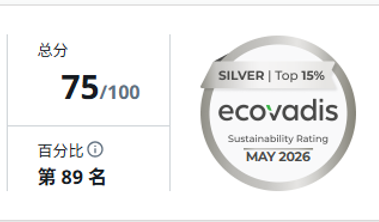
At Artlant, we view sustainable manufacturing as a balance between environmental stewardship (FSC, EUDR, GRS) and social accountability (SA8000, EcoVadis). By combining advanced paper manufacturing technologies with strictly audited ethical labor practices, we ensure that every watercolor pad, art set, and specialty journal you source reflects the highest standards of craftsmanship and human dignity.